A Guide to Hose Fittings and Connectors: Types and Uses
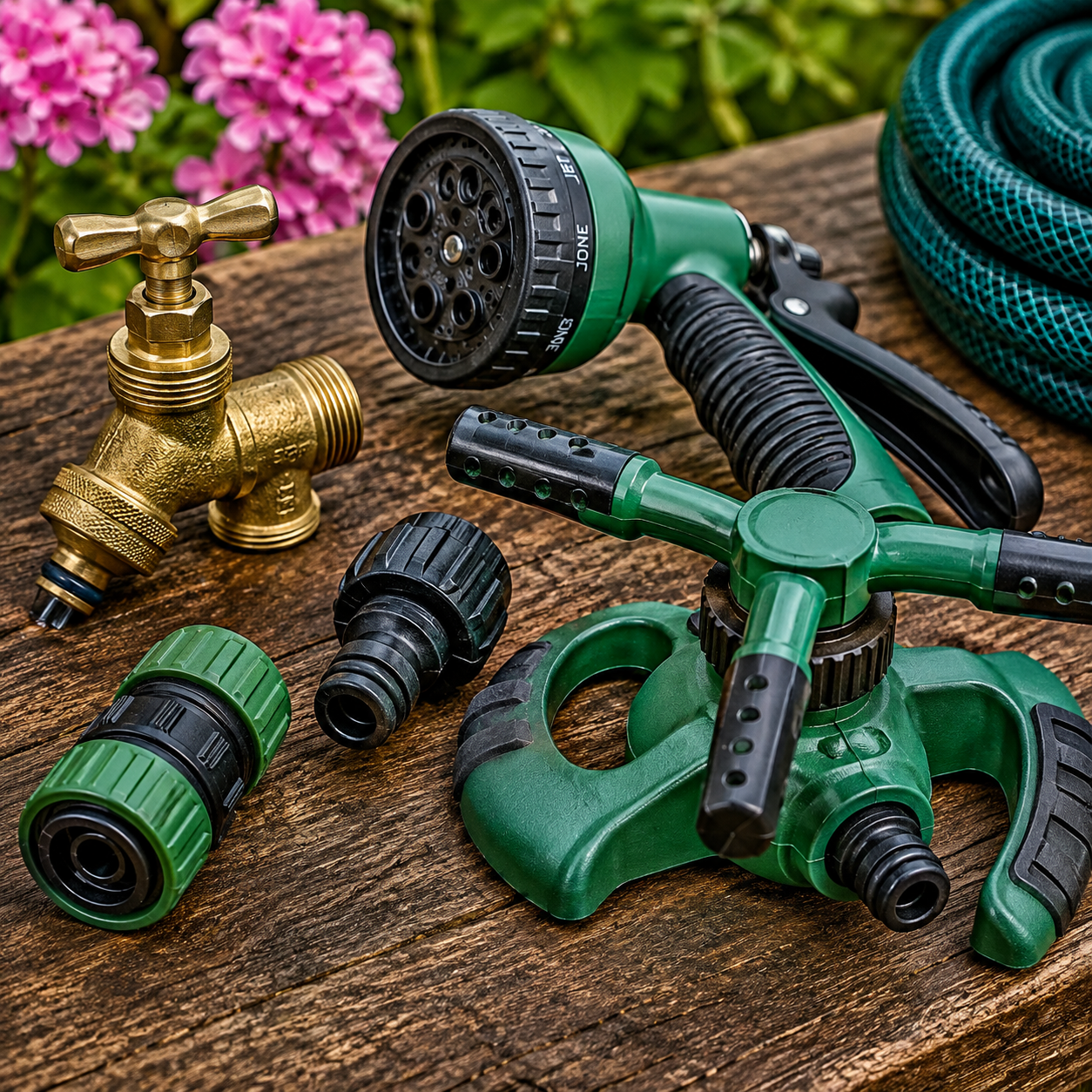
Garden hose fittings and connectors determine how easily water moves from an outdoor tap to a sprinkler, nozzle, spray gun, or other watering accessory. The right parts create a secure seal, while an incorrect size or missing washer can cause leaks, weak water flow, and frustrating connections.
What Are Hose Fittings and Connectors?
Hose fittings and connectors are components that join a garden hose to a tap, another hose, or a watering accessory. A fitting describes the connection hardware broadly, while a connector usually refers to a part that joins two components directly.
A tap adapter connects the hose to an outdoor faucet. A hose connector attaches to the hose end and may accept a quick-connect fitting, threaded fitting, sprinkler, nozzle, or spray gun. A hose coupling joins two hose sections, and a hose repair connector replaces a damaged section or end.
The terms overlap in everyday garden use, so function matters more than the label on the package. Before buying, identify where the part will sit:
- Tap connection: adapter or threaded tap connector.
- Hose-to-accessory connection: quick-connect fitting or threaded connector.
- Hose-to-hose connection: straight hose coupling.
- Multiple outlets: Y-connector or splitter.
- Damage repair: hose repair connector or replacement end fitting.
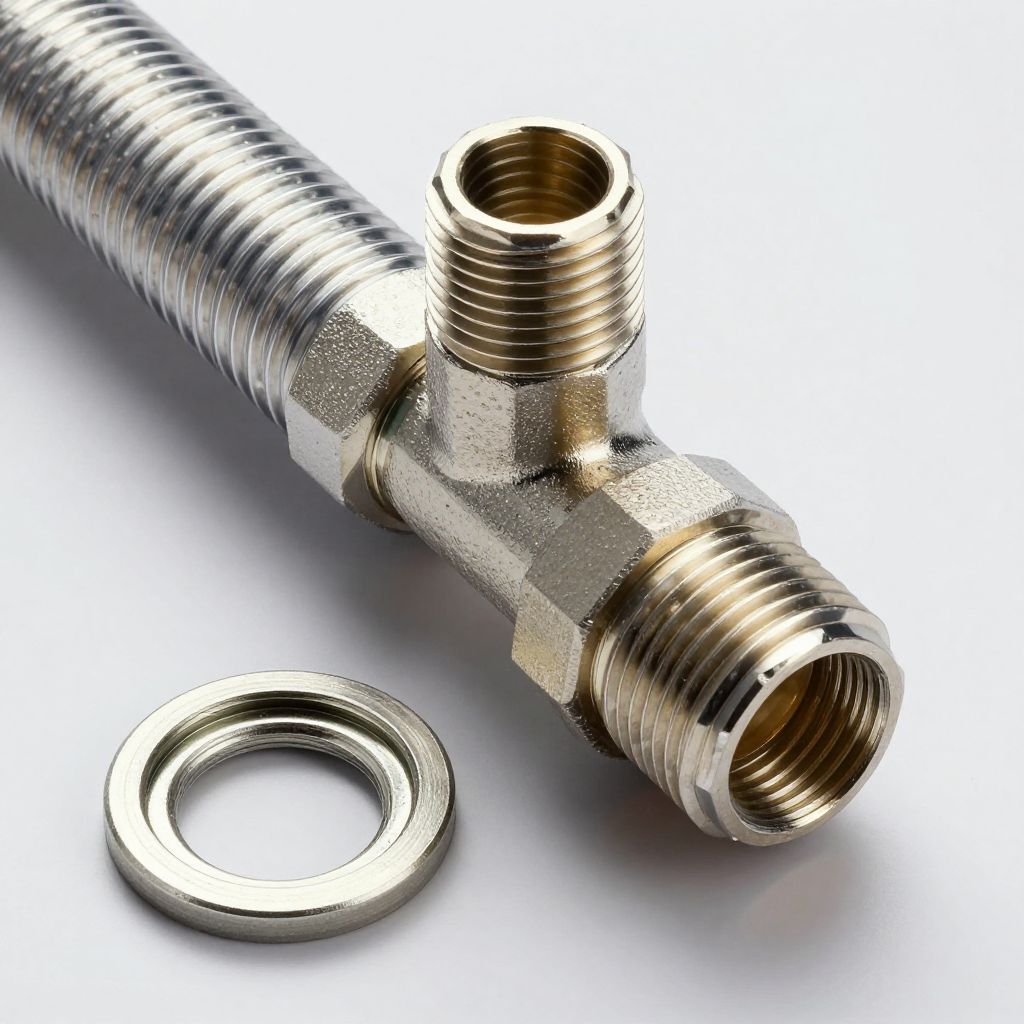
Most garden connections rely on a rubber washer or O-ring to create the watertight seal. Threads hold parts together, but the washer usually prevents the leak. That distinction helps explain why tightening a fitting often fails to solve a problem caused by a missing or damaged seal.
Main Types of Garden Hose Connectors
The main types of garden hose connectors include tap connectors, threaded fittings, quick-connect systems, couplings, splitters, and repair connectors. Each type solves a different connection problem in a watering system.
Tap connectors and adapters
A tap connector attaches a garden hose to an outdoor faucet. Some models fit directly over a threaded tap, while others use a threaded adapter selected for the faucet outlet. Check whether the tap has internal or external threads before purchasing.
Threaded connectors
A threaded fitting screws onto a matching thread on a tap, hose end, sprinkler, or nozzle. Threaded connections are useful for semi-permanent setups because they hold firmly, although they take longer to remove than a quick-connect fitting.
Quick-connect fittings
A quick-connect fitting uses a plug-and-socket design. One end remains attached to the hose, while the matching socket fits an accessory such as a spray gun or sprinkler. This system is convenient when you change tools often, but both halves must use the same connection profile.
Couplings, splitters, and repair connectors
A straight hose coupling joins two hose lengths, which can extend reach or replace a damaged section. A Y-connector splits one water supply into two outlets, allowing two hoses or accessories to operate from one tap. A hose repair connector is designed for cut, cracked, or badly worn hose ends.
For example, a gardener might use a tap adapter, one length of hose, a quick-connect fitting, and a spray gun for hand watering. A second hose could branch from the tap through a Y-connector to supply a sprinkler at the same time.
Common Hose Fitting Materials and Designs
Plastic, metal, and reinforced hose fittings all work in garden settings, but they differ in weight, durability, corrosion resistance, and cost. The best choice depends on how often you use the hose and how much handling the connection receives.
- Plastic: Lightweight, affordable, and easy to handle. Quality plastic works well for occasional watering, but low-grade parts may crack if overtightened, dropped, or exposed to harsh sunlight for long periods.
- Metal: Usually more resistant to crushing and impact. Metal connectors suit frequent use and high-contact points, such as a tap that is connected and disconnected often. They can cost more and may become uncomfortable to handle in very hot or cold weather.
- Reinforced designs: These may combine a rigid connector body with a flexible support sleeve or clamp. The sleeve reduces bending where the hose enters the fitting, a common location for splits.
Look for a connector with a smooth internal passage, a firm grip surface, and a replaceable rubber washer or O-ring. A swivel feature at the tap can reduce twisting, but it adds another moving seal that may eventually need replacement.
Choosing metal for extra impact resistance means accepting additional weight and expense. Choosing plastic for low cost means taking more care during installation. Material alone does not guarantee performance; molding quality, seal design, and correct sizing matter just as much.
How to Choose the Right Fitting
To choose the right hose fitting, match the hose diameter, tap thread, accessory connection, and intended use before comparing materials or features. Compatibility should be checked in that order.
- Measure the hose diameter. Common garden hose sizes include 1/2 inch, 5/8 inch, and 3/4 inch internal diameter, but labels vary by market. The connector must match the hose size, not simply the outside appearance.
- Identify the tap thread. Measure the faucet outlet or take a clear photograph to a garden centre. A tap adapter for one thread pattern may not fit another, even when both parts look similar.
- Check the accessory. Confirm whether the sprinkler, nozzle, spray gun, or watering wand uses a threaded fitting or a quick-connect fitting. A quick-connect plug will not lock into an unrelated connector system.
- Choose the connection style. Use quick-connect fittings for frequent tool changes. Choose threaded fittings for a stable installation that will remain assembled.
- Consider water pressure and handling. Long hoses, narrow passages, multiple splitters, and restrictive connectors can reduce flow at a sprinkler. For routine garden use, prioritize a secure seal and full-bore design rather than relying on unverified pressure claims.
If you need to join different hose diameters, use a purpose-made reducer or stepped coupling. Do not force a large connector onto a smaller hose; the result may appear tight but can pull free under water pressure.
How to Install and Use Hose Connectors
To install a hose connector, prepare a clean, square hose end, fit the washer or O-ring, secure the connector without overtightening, and test the assembly slowly. These steps prevent most leaks.
- Turn off the tap and drain remaining water from the hose.
- Cut away a damaged or flattened end with a sharp utility knife or hose cutter. Make the cut square so the connector sits evenly.
- Slide the connector body, clamp, or retaining nut onto the hose if the design requires it.
- Push the hose fully onto the connector barb. A small amount of warm water can soften a stiff hose, but avoid heating it enough to deform the material.
- Tighten the clamp or retaining nut firmly by hand. Use a tool only for a small final adjustment if the manufacturer allows it.
- Place the rubber washer or O-ring in its seat before attaching the connector to the tap or accessory.
- Align threaded parts carefully and turn them by hand. If the threads bind immediately, stop and realign them to avoid cross-threading.
- Open the tap gradually and inspect every joint. Close the water, reseat the washer, or tighten the connection slightly if you see a drip.
Do not use excessive force as a substitute for correct alignment. Over-tightening can distort a washer, damage plastic threads, or split a hose end. Thread sealing tape is not automatically required for garden hose connections because many rely on a face seal, not the threads themselves.
Troubleshooting Leaks and Poor Connections
To stop a leaking hose connector, first locate the exact joint, then inspect the washer, sizing, threads, hose end, and clamp. Fixing the wrong point often makes the leak worse.
- Missing or damaged washer: Replace the rubber washer or O-ring with the correct size. A flattened seal may leak even when the connector feels tight.
- Incorrect hose diameter: A connector that is too large or small cannot grip reliably. Replace it with a fitting matched to the hose’s internal diameter.
- Cross-threading: Remove the parts and start again by hand. Damaged threads may require a new tap adapter or connector.
- Crushed or split hose end: Cut back to sound material and install a new end fitting or hose repair connector.
- Loose clamp: Reposition the clamp behind the connector barb and tighten it evenly. A clamp placed over the wrong area may not create a secure grip.
- Worn quick-connect valve: Dirt or a damaged internal seal can prevent the socket from closing properly. Clean the fitting, then replace it if water still escapes.
A weak spray can also come from a blocked nozzle, kinked hose, narrow connector passage, or several accessories sharing one tap. Test the hose with only one accessory attached before replacing parts.
Care, Storage, and Replacement Tips
Proper care extends the useful life of hose fittings by keeping seals clean, preventing bending, and protecting components from freezing and prolonged sunlight. Replacement is sensible when damage affects the seal or structural grip.
Rinse dirt and grit from quick-connect sockets before joining them. Wipe metal or plastic threads clean, and inspect washers at the start and end of the watering season. Store connectors off the ground where possible, with the hose loosely coiled rather than sharply folded around the fitting.
Drain water before freezing weather. Water trapped inside a connector can expand and crack the housing. Excessive ultraviolet exposure can also make plastic brittle over time, so keep spare fittings and disconnected accessories in a shaded shed or storage box.
Replace a connector when its threads are visibly damaged, its body is cracked, its clamp no longer grips, or a new washer fails to stop the leak. Repair is usually worthwhile for a worn seal or damaged hose end. A cracked connector body is rarely reliable enough to justify continued use.
Garden Hose Fittings FAQ
What is the difference between a hose fitting and a hose connector?
A hose fitting is a broad term for connection hardware, including adapters, couplings, valves, and threaded ends. A hose connector usually describes a part that directly joins a hose to a tap, another hose, or an accessory.
Are garden hose connectors universal?
No. Many connectors follow common garden standards, but hose diameters, tap threads, accessory systems, and quick-connect profiles vary. Check the specifications and compare the actual parts before purchase.
How do I stop a hose connector from leaking?
Find the leaking joint, then inspect and replace the rubber washer or O-ring, check sizing, clean the threads, and realign the connection. Tighten only enough to create a seal.
Can I connect hoses with different diameters?
Yes, but you need a compatible reducer or stepped hose coupling. A direct forced connection is likely to leak or detach when the hose is pressurized.
Are metal or plastic hose fittings better?
Metal fittings generally tolerate more impact and frequent handling, while plastic fittings are lighter and less expensive. For occasional garden use, a well-made plastic connector is often adequate; choose metal where the fitting receives heavy wear.