Rubber vs. Vinyl vs. Polyurethane Hoses: Which Material Is Right for Your Garden?
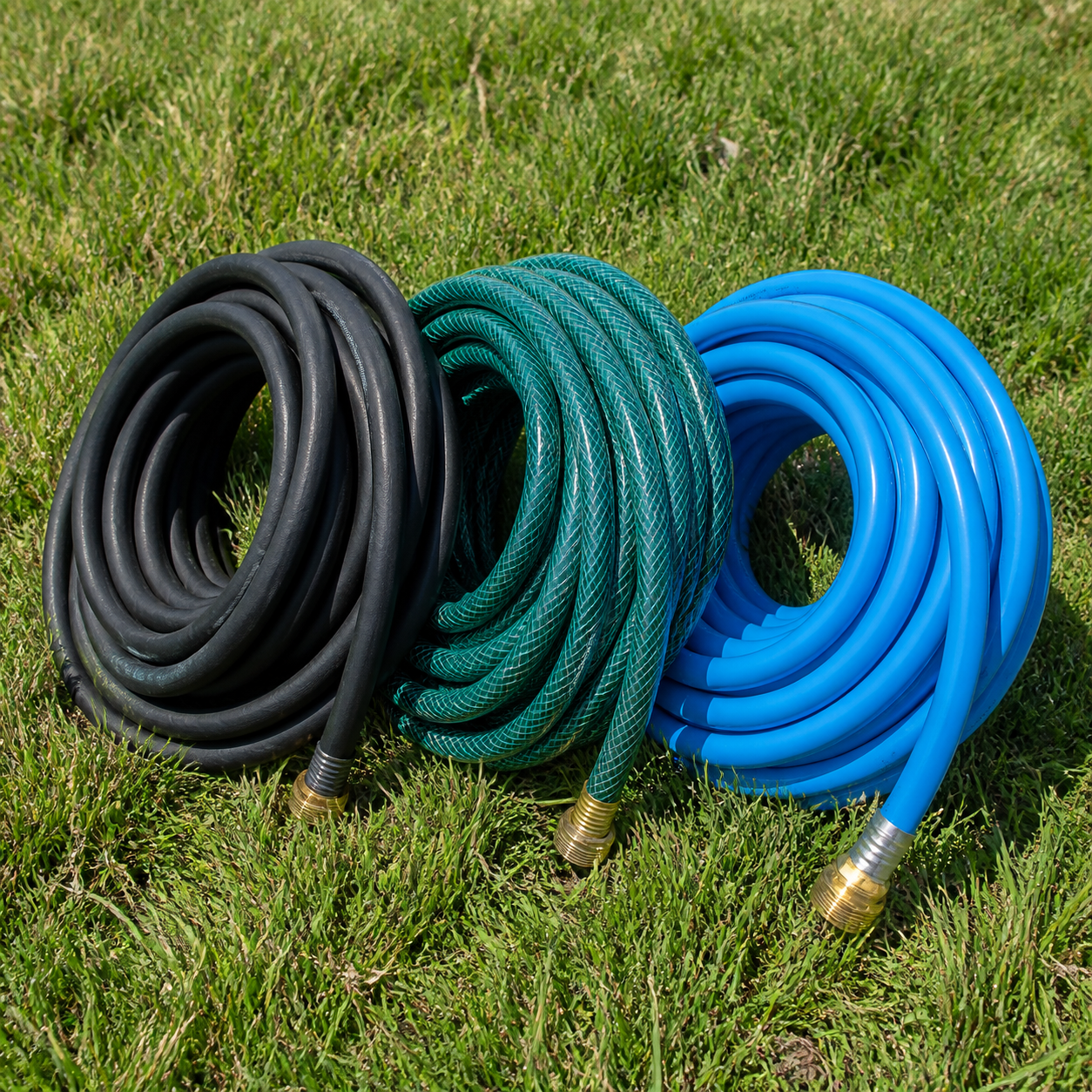
Why Hose Material Matters More Than You Think
The material a garden hose is made from determines nearly everything about how it performs — how long it lasts, how easily it kinks, and whether it survives a harsh winter in the shed. Most gardeners pick a hose based on price or color, then wonder why it splits after one season.
Rubber, vinyl, and polyurethane each behave differently under sun, pressure, and temperature stress. Understanding these differences before you buy means fewer frustrating replacements and less time wrestling a kinked hose across the lawn. The right material for a casual balcony gardener is rarely the right choice for someone running a large vegetable plot in a hot climate.
This guide walks through each material honestly — strengths, weaknesses, and the situations where each one genuinely earns its place.
Rubber Hoses — The Heavy-Duty Classic
Rubber hoses are the most durable option available for home gardeners, built to handle high water pressure, extreme temperatures, and daily heavy use. They have been the professional's choice for decades for good reason.
Temperature tolerance is where rubber pulls ahead most clearly. A rubber hose can handle hot water from a sun-heated outdoor tap without softening or warping, and it stays flexible in cold conditions that would leave vinyl stiff and brittle. This makes rubber a reliable year-round material in climates with wide seasonal swings.
Kink resistance is another genuine advantage. The wall thickness and natural elasticity of rubber mean the hose tends to hold its shape rather than collapsing under its own weight or around tight corners. Burst pressure ratings for rubber hoses are also typically higher than vinyl equivalents, which matters if your water supply runs at elevated pressure.
The trade-offs are real, though. Rubber hoses are noticeably heavier than other materials — dragging a 50-foot rubber hose around a garden takes more effort than most people expect. They also cost more upfront, sometimes two to three times the price of a comparable vinyl hose. For someone who waters a few containers twice a week, that premium is hard to justify.
Vinyl Hoses — The Lightweight Budget Option
Vinyl hoses are the most affordable and widely available garden hoses on the market, making them a reasonable choice for light, occasional watering tasks. Their low price and light weight are genuine advantages — but they come with meaningful limitations.
The biggest issue with vinyl is its vulnerability to UV degradation and temperature extremes. Left coiled in direct sunlight, a vinyl hose can become brittle and crack within a single season. In cold weather, it stiffens quickly, making it awkward to handle and more prone to cracking near the fittings.
Kinking is the most common complaint with vinyl hoses. The material lacks the structural memory to resist folding back on itself, especially in cheaper single-layer constructions. Once a vinyl hose develops a kink crease, that spot tends to fail repeatedly. Multi-layer vinyl hoses perform better, but they also cost more — which narrows the price gap with polyurethane.
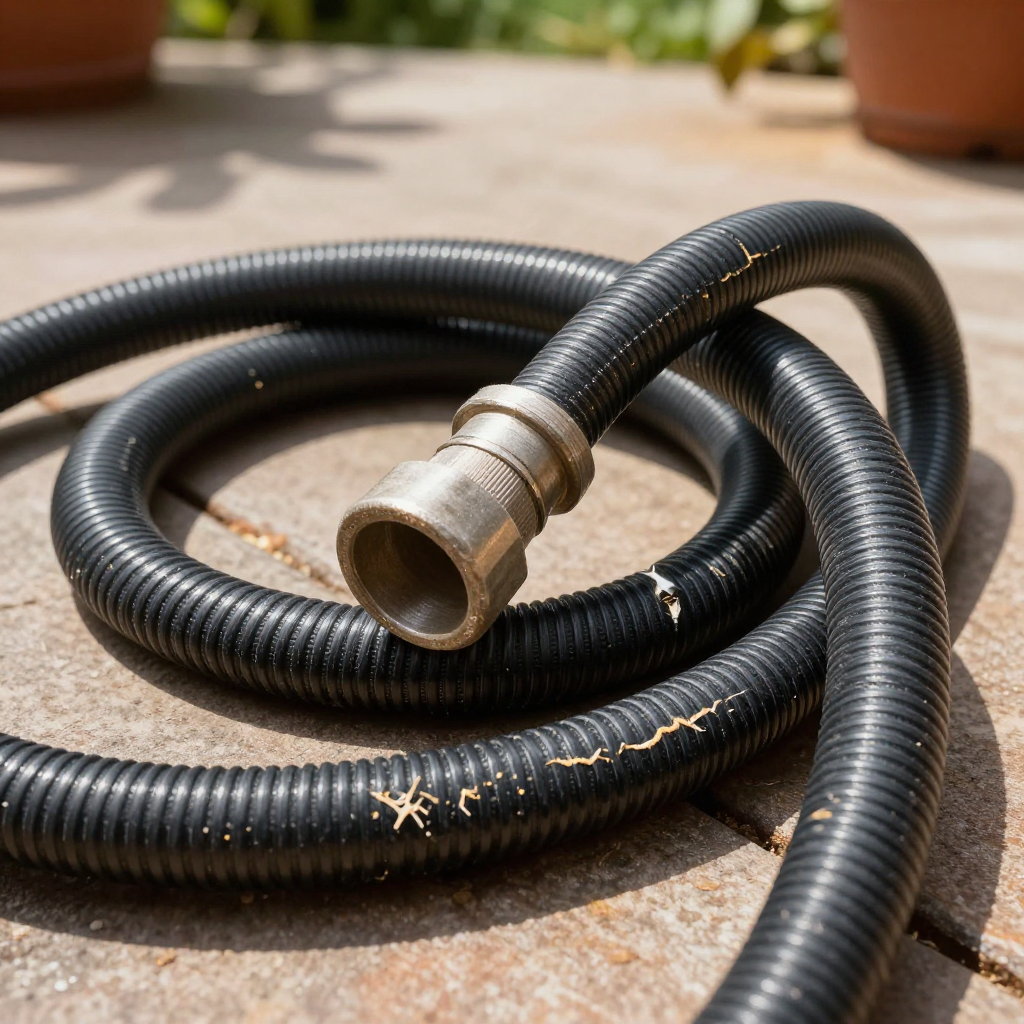
Vinyl makes sense for someone with a small garden, a sheltered storage space, and modest watering needs. For anything more demanding, the compromises accumulate quickly.
Polyurethane Hoses — The Modern Middle Ground
Polyurethane hoses offer a genuine balance between the lightweight convenience of vinyl and the durability closer to rubber, making them an increasingly popular choice for home gardeners who want performance without the weight penalty.
The material is naturally more flexible than vinyl and holds up better to UV exposure and temperature variation. Polyurethane hoses typically resist kinking more effectively than standard vinyl, and they don't develop the same brittle cracking behavior when stored in cold conditions. They're also noticeably lighter than rubber hoses, which matters when you're moving a hose around a larger garden.
Flexibility in cold weather is one of polyurethane's clearest practical advantages. Where a vinyl hose becomes stiff and uncooperative on a cool morning, a polyurethane hose stays manageable. This makes early-season and late-season use less of a chore.
The honest limitation is cost. Polyurethane hoses sit above vinyl in price, and while they don't quite match the raw durability ceiling of a quality rubber hose, they close the gap considerably. For most home gardeners, polyurethane represents a sensible upgrade from entry-level vinyl without committing to the full weight and expense of rubber.
Head-to-Head Comparison: Key Performance Factors
Comparing the three materials across the same criteria makes the trade-offs concrete and easier to act on.
- Durability: Rubber leads, followed by polyurethane, then vinyl. Rubber handles abrasion, pressure, and temperature stress better than either alternative.
- Weight: Vinyl is lightest, polyurethane is close behind, and rubber is significantly heavier — a factor that matters most with longer hoses.
- Kink resistance: Rubber resists kinking best due to wall thickness; polyurethane performs well; vinyl kinks most easily, especially in heat or cold.
- Temperature range: Rubber tolerates the widest range — both high heat and freezing cold. Polyurethane handles cold better than vinyl. Vinyl performs worst at temperature extremes.
- Burst pressure rating: Rubber hoses typically carry the highest burst pressure ratings, making them better suited to high-pressure water supplies.
- Price: Vinyl is cheapest, polyurethane sits in the middle, and rubber commands the highest price point.
- UV resistance: Polyurethane and rubber hold up better to prolonged sun exposure than vinyl, which degrades and cracks faster.
No single material wins across all categories. The right answer depends on how you garden, where you live, and how much use a hose will actually see.
Matching Hose Material to Your Garden Needs
The best hose material is the one that fits your specific conditions — not the most expensive or the most popular.
If you run a large vegetable garden, water daily, or use your hose for heavy irrigation tasks, a rubber hose is worth the investment. The weight becomes less of an issue when the hose stays mostly in one place, and the durability means you're not replacing it every couple of years.
For light, occasional watering — a few containers, a small flower bed, or a balcony garden — a quality vinyl hose stored out of direct sunlight does the job at a fraction of the cost. The key is the storage habit. A vinyl hose kept in a shaded shed or a hose reel away from UV exposure will outlast one left coiled on a sunny patio by a wide margin.
Polyurethane is the practical choice for gardeners who want something more durable than vinyl but find rubber too heavy or expensive. It works well in climates with cold winters, where flexibility at low temperatures is a real daily concern. It's also a good option for anyone who moves their hose frequently across different areas of the garden.
Hot climates add another variable. In regions where outdoor taps can deliver near-scalding water after sitting in the sun, rubber's higher temperature tolerance becomes a functional necessity rather than a luxury.
Maintenance Tips to Extend the Life of Any Hose
Proper maintenance can dramatically extend the lifespan of any garden hose, regardless of material. A few consistent habits make a bigger difference than most people realize.
Draining and Storage
Always drain your hose completely before storing it. Water left sitting inside can freeze and crack the material in cold weather, and it creates conditions for mold and mineral buildup over time. Disconnect the hose from the tap after each use — leaving it connected under pressure accelerates wear on the fittings and the hose wall itself.
Store hoses coiled loosely on a reel or hook, away from direct sunlight. Tight coils stress the material at the bend points, which is where cracks and kinks tend to develop first. For vinyl especially, a shaded storage spot makes a measurable difference in how long the hose stays usable.
Kink Prevention
Kinking damages the internal structure of a hose at the fold point, weakening it permanently. When you're laying out a hose, uncoil it fully before turning on the water rather than pulling it taut under pressure. Hose guides or stakes placed at corners help prevent sharp bends forming during use.
For rubber hoses, the main maintenance consideration is keeping the outer surface clean and free of oil or chemical contamination, which can degrade the rubber compound over time. Polyurethane hoses benefit from occasional inspection of the fitting connections, where stress concentrates during repeated coiling and uncoiling.
Consistent care costs almost nothing and can add years to a hose's working life — which matters most with the higher-investment rubber and polyurethane options.
Frequently Asked Questions
Which hose material lasts the longest?
Rubber hoses generally last the longest under regular use, handling pressure, heat, and abrasion better than vinyl or polyurethane. With proper storage and care, a quality rubber hose can remain serviceable for many years.
Are rubber hoses safe for drinking water?
Not all rubber hoses are rated for potable water use. If you need a hose safe for drinking water — filling a water tank or connecting to a food garden — look specifically for hoses labeled as drinking water safe or NSF-certified, regardless of material.
Why does my vinyl hose keep kinking?
Vinyl lacks the structural stiffness to resist folding under its own weight, especially when warm or when pulled at an angle. Single-layer vinyl constructions are most prone to this. Uncoiling fully before use and avoiding sharp bends helps, but kink resistance is a fundamental material limitation of basic vinyl hoses.
Can polyurethane hoses handle hot water?
Polyurethane hoses handle moderate temperature variation well and perform better than vinyl in both heat and cold. However, for consistently high water temperatures — such as water from a sun-heated outdoor supply in a very hot climate — rubber remains the more reliable choice.
What is the best hose material for cold climates?
Rubber and polyurethane both stay more flexible in cold conditions than vinyl. If you're gardening in a region with cold springs and autumns, either of these materials will be easier to handle on chilly mornings. The most important cold-climate habit, regardless of material, is draining the hose completely before freezing temperatures arrive.