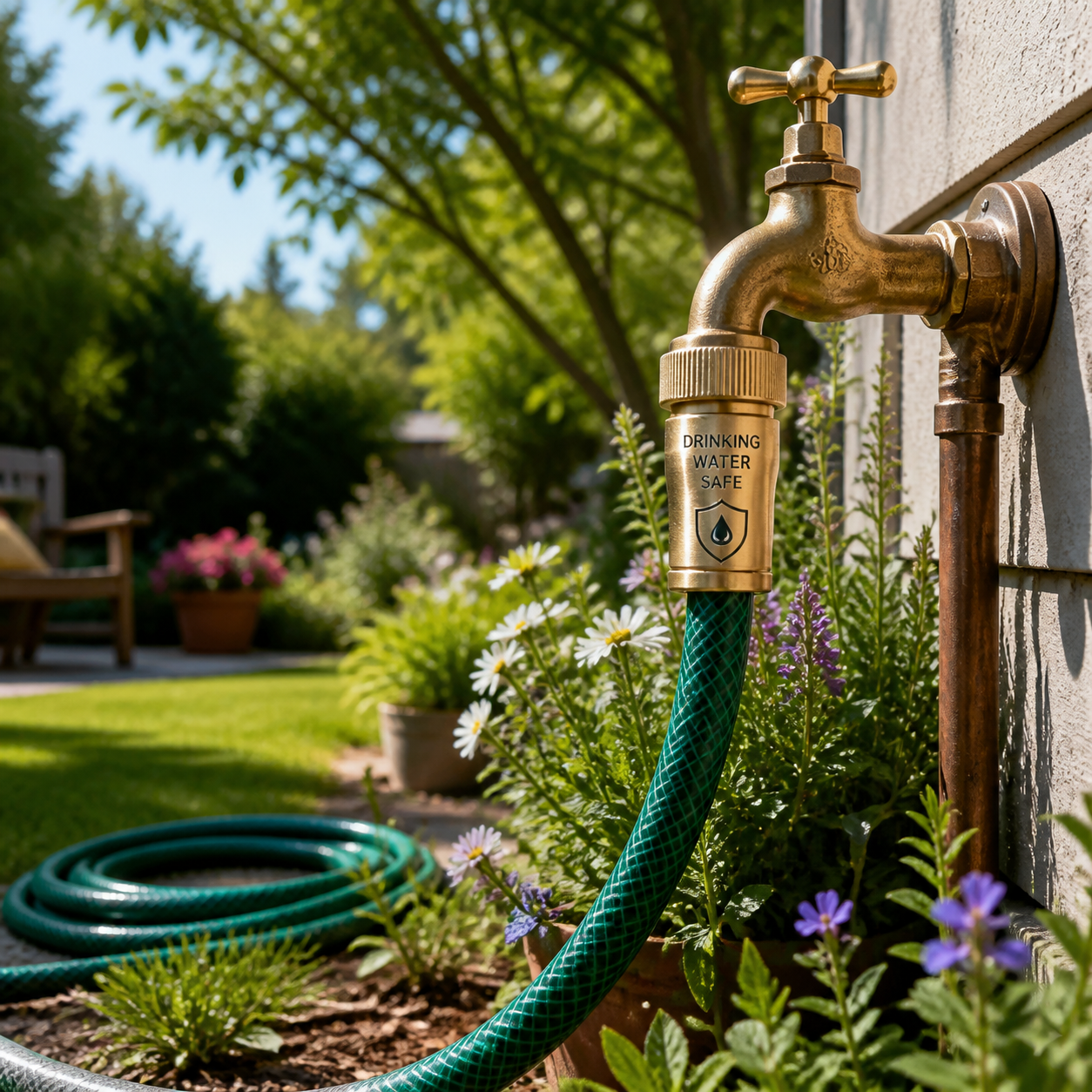
The Benefits of Drinking-Water Safe Hoses for Home Use: What Every Homeowner Should Know
Most homeowners never question whether their garden hose is safe. You attach it, turn on the tap, and water flows. Simple enough. But if that water is going into a paddling pool, a vegetable bed, a pet's bowl, or anywhere near a person's mouth, the type of hose you're using matters more than most people realize.
What Is a Drinking-Water Safe Hose?
A drinking-water safe hose, also called a potable water hose, is specifically manufactured from materials that won't contaminate water passing through them. Unlike standard garden hoses, these products are built to food-grade standards and are tested to confirm they don't leach harmful substances into the water supply.
The most reliable indicator of a safe hose is NSF/ANSI 61 certification — an independent standard developed by the National Sanitation Foundation that evaluates materials, components, and products that contact drinking water. If a hose carries this certification, it has been verified to meet strict limits on chemical migration into water. Some hoses also carry NSF/ANSI 372 certification, which specifically addresses lead content in plumbing products.
Not every hose labeled "safe" or "eco-friendly" has been independently certified. When in doubt, look for the NSF mark on the packaging or product listing. That's the clearest signal you have.
Why Standard Garden Hoses Can Be a Health Risk
Conventional garden hoses are designed to move water to plants — not to deliver safe drinking water. The materials used in standard hoses often include additives that can migrate into the water, particularly under heat and UV exposure.
Two of the most commonly cited concerns are BPA (bisphenol A) and phthalates, which are chemical compounds used to make PVC flexible and durable. Both have been linked to endocrine disruption in animal studies, and regulatory bodies in the US and EU have moved to restrict their use in food-contact materials. Many standard hoses, however, still contain these compounds.
Lead leaching is another documented issue. Brass fittings used in cheaper hoses can contain lead, which can dissolve into standing water inside the hose — especially water that's been sitting in a hose left in direct sunlight. Studies have found that the first flush of water from a standard garden hose left in the sun can contain chemical concentrations significantly above safe drinking thresholds.
This doesn't mean every sip from a garden hose causes immediate harm. The risk accumulates with repeated exposure, particularly for children and pets who are more sensitive to chemical contaminants.
Key Benefits of Using a Drinking-Water Safe Hose at Home
Switching to a potable water hose offers several practical advantages that go beyond peace of mind.
- Safer water output — Water from a certified hose won't carry BPA, phthalates, or lead residues, making it genuinely safe for incidental or intentional consumption.
- Protection for children and pets — Kids drinking from the hose on a hot day, dogs drinking from a bowl you filled outside — these common scenarios become much lower risk.
- Suitable for edible garden watering — When you water vegetables, herbs, or fruit plants, the water contacts soil and plant matter that eventually ends up on your plate. Using food-grade materials throughout that chain is a straightforward precaution.
- Reduced cumulative chemical exposure — Even if no single exposure causes harm, eliminating a routine source of chemical contact is a sensible long-term health choice.
- Versatility across use cases — A hose rated for potable water can handle all the same tasks as a standard garden hose, with no functional compromise.
The distinction that matters most here is between "safe for plants" and "safe for human or pet consumption." Plants don't metabolize BPA the way mammals do. A hose that works fine for irrigation may not be appropriate when water contact with people or animals is likely.
Common Home Use Cases Where a Potable Water Hose Matters
A drinking-water safe hose becomes especially important in specific situations that many homeowners encounter regularly.
Filling Paddling Pools and Water Play Areas
Children spend hours in paddling pools and inevitably swallow some of the water. Filling these with a standard hose introduces whatever chemicals have leached from the hose material into a confined volume of water that kids are directly immersed in.
Watering Vegetable Gardens and Edible Plants
Root vegetables, leafy greens, and herbs grown in home gardens are watered repeatedly throughout the growing season. Using a potable water hose here is one of the simplest ways to keep your food supply cleaner from the ground up.
Outdoor Showers and Animal Water Supplies
Outdoor showers connected via garden hose expose the skin and sometimes the mouth to hose-delivered water. Similarly, livestock owners and pet keepers who fill troughs or bowls via hose should use a certified option — animals can't tell you when the water tastes off.
Camper and RV Water Connections
This is actually where potable water hoses became mainstream. Camper and RV users have long relied on white or blue-colored drinking-water hoses to connect to campsite water supplies, since the water goes directly into the vehicle's plumbing for cooking and drinking. The same logic applies to any home setup where hose water enters the domestic supply.
What to Look for When Choosing a Drinking-Water Safe Hose
Choosing the right potable water hose comes down to a few key factors. Get these right and you'll have a hose that's both safe and durable.
Certification
Prioritize hoses with NSF/ANSI 61 certification. This is the non-negotiable baseline. Some manufacturers also seek California Proposition 65 compliance, which restricts dozens of chemicals known to cause cancer or reproductive harm — another useful quality signal.
Material: Food-Grade Rubber vs. PVC
Food-grade rubber hoses (typically made from natural or synthetic rubber compounds free of harmful plasticizers) are generally considered the gold standard for potable water use. They're flexible even in cold weather, durable, and don't impart taste or odor to water. High-quality PVC hoses can also be safe if manufactured without BPA or phthalates and certified accordingly, though they tend to be less flexible in low temperatures. Choosing food-grade rubber means accepting a heavier hose at a higher price point — that's the trade-off.
Fittings and Connectors
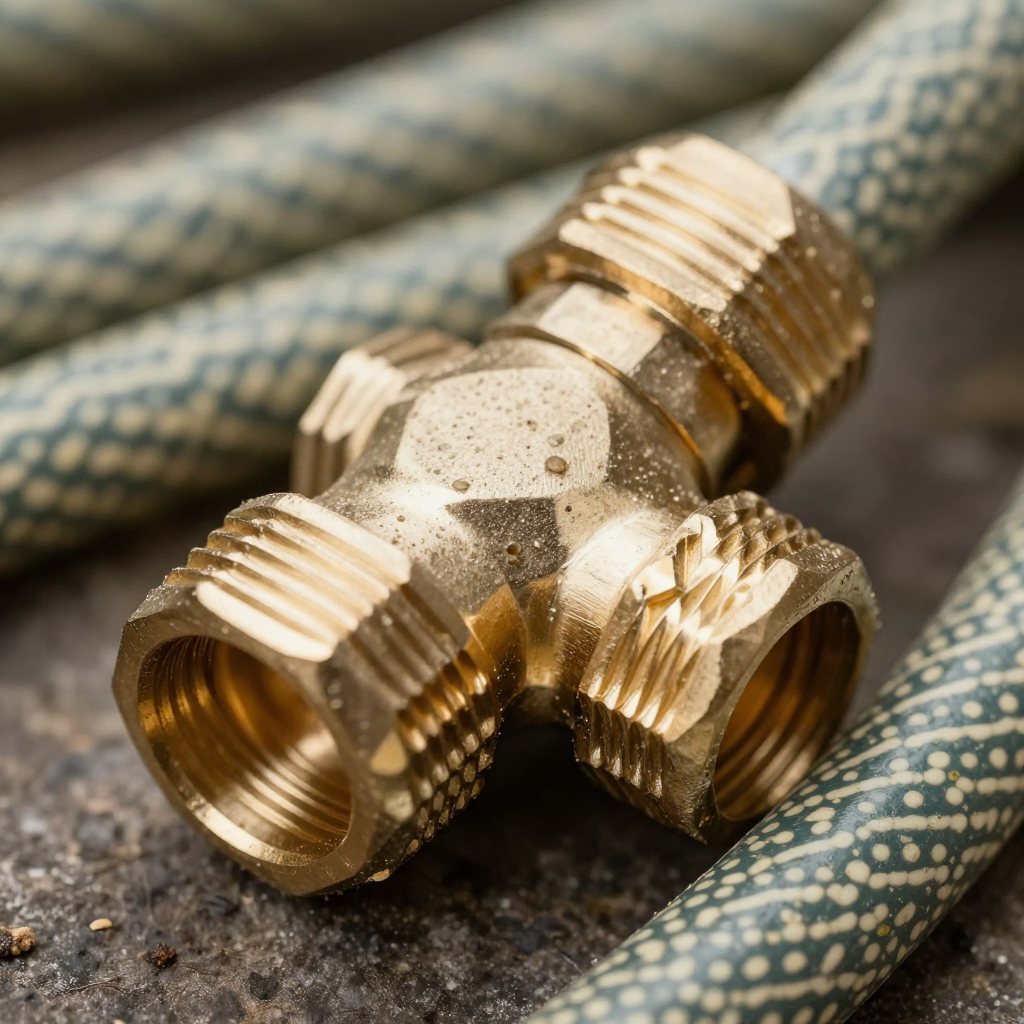
The hose material alone isn't enough. Check that the hose fittings and connectors are also lead-free. Nickel-plated or stainless steel fittings are preferable to standard brass, which can contain trace lead. Some certified hoses include fittings that are tested as part of the overall NSF certification — look for this in the product documentation.
UV Resistance and Durability
A hose left outdoors is exposed to sunlight year-round. UV resistance matters both for longevity and for maintaining the integrity of the hose material over time. Degraded hose walls can leach more chemicals, not fewer. Look for hoses marketed with UV-stabilized materials or reinforced construction.
Length and Diameter
Standard lengths run from 25 to 100 feet. Longer hoses reduce water pressure at the outlet end, so match the length to your actual yard dimensions. A ½-inch diameter hose suits most home tasks; ⅝-inch provides higher flow for larger areas or filling tasks.
How to Maintain a Drinking-Water Safe Hose for Longevity
Even the best potable water hose will degrade prematurely without basic care. A few consistent habits make a significant difference.
- Drain the hose after every use. Standing water inside a hose — especially in warm weather — can become a breeding ground for bacteria and accelerates chemical migration from the hose walls. Lift one end to drain completely before storing.
- Store away from direct sunlight. UV exposure breaks down hose materials over time, even in UV-resistant models. A shaded storage spot or a hose reel with a cover extends lifespan considerably.
- Avoid kinking. Repeated kinking weakens the hose wall at stress points and can compromise the structural integrity that keeps the inner liner intact. Use a hose guide or reel to encourage smooth coiling.
- Inspect fittings regularly. Check connectors at the start of each season for corrosion, cracks, or mineral buildup. Damaged fittings can introduce contaminants even if the hose itself is in good condition.
- Don't leave it pressurized when not in use. Releasing pressure when the hose isn't actively in use reduces stress on the material and fittings.
A well-maintained drinking-water safe hose made from quality rubber can last 8 to 10 years with normal home use. PVC alternatives typically have a shorter lifespan of 3 to 5 years, depending on climate and storage conditions.
Is a Drinking-Water Safe Hose Worth the Investment?
For most homeowners, yes — the cost difference is modest and the practical benefits are real. A certified potable water hose typically costs 20 to 50 percent more than a comparable standard hose, but given that a quality hose lasts many years, the annual cost difference is small.
The more relevant question is how you use your hose. If it's purely for watering a lawn with no human or animal contact with the water, a standard hose is probably adequate. But if children play nearby, if you grow food, if you fill animal water supplies, or if you have any direct-consumption scenario — the upgrade is straightforward to justify.
A simple buying framework: look for NSF/ANSI 61 certification first, food-grade rubber material second, and lead-free fittings third. Everything else — length, color, brand — is secondary to those three criteria. For further reference on drinking water safety standards, the NSF's consumer resources on drinking water components provide a useful overview of what certification actually covers.
Frequently Asked Questions
Can I use a drinking-water safe hose for all garden watering tasks?
Yes. A potable water hose handles every standard garden task — lawn irrigation, plant watering, cleaning — without any functional limitation. You're not giving anything up by choosing a safer hose.
How do I know if my current hose is safe for drinking water?
Check the packaging or the hose itself for NSF/ANSI 61 certification. If you can't find that marking, assume the hose is not rated for potable water use. Most standard garden hoses are not certified, even if they don't contain obvious warning labels.
Does water left in a potable hose in the sun become unsafe?
Even certified hoses can allow some chemical migration when water sits in a hot hose for extended periods. The risk is lower than with a standard hose, but it's still good practice to run the hose briefly before using the water for drinking or filling a pool, and to drain it after each use.
How long do drinking-water safe hoses typically last?
Food-grade rubber hoses generally last 8 to 10 years with proper care. PVC-based potable hoses typically last 3 to 5 years. Storage habits and climate have a significant effect on lifespan.
Are drinking-water safe hoses more expensive than regular hoses?
They cost more upfront — roughly 20 to 50 percent above comparable standard hoses. However, their durability often makes the total cost over time comparable or even lower than replacing cheaper hoses more frequently.